A Guide to Italian Dining: Understanding Different Types of Restaurants in Italy
by Adriana ruiz
If you’re an expat or foreigner in Italy, navigating the diverse dining scene can be both exciting and overwhelming. With so many types of eateries, it’s easy to get lost in translation! From cozy trattorias to authentic pizzerias, Italy’s restaurant culture offers something for everyone. Here’s your comprehensive guide to understanding the various types of restaurants you’ll find in Italy.
1. Ristorante
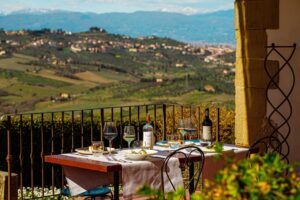
Photo from Ristorante Biagio Pignatta
A ristorante is the most formal type of restaurant in Italy. It typically offers a full menu of appetizers, first courses (primi), main courses (secondi), desserts (dolci), and an extensive wine list. These establishments often have table service and a refined atmosphere. Prices can vary, but ristorantes are usually on the higher end due to the quality of food and service.
Perfect for: Celebrations, romantic dinners, or when you want a fine dining experience.
2. Trattoria

Photo from Trattoria di Danilo
A trattoria is a step down from a ristorante in terms of formality but is equally cherished by locals and visitors. It offers a more relaxed and casual atmosphere, often family-run, with a focus on hearty, traditional dishes. Menus tend to be smaller and may change daily, featuring regional specialties made with fresh, local ingredients.
Perfect for: A cozy, authentic Italian meal with a home-cooked feel.
3. Osteria

Photo from Osteria del Gelsomino
In the past, an osteria was a simple eatery where people gathered to drink wine and have a light snack. Nowadays, it often serves a variety of dishes but maintains a rustic, laid-back vibe. Osterias usually offer a limited menu with a few pasta dishes and local favorites, emphasizing quality and simplicity. Prices are generally reasonable, making it a great spot for a casual meal.
Perfect for: A relaxed meal with good wine in a casual setting.
4. Pizzeria

Photo from Emporio Pizzeria
A pizzeria specializes in Italy’s most iconic dish: pizza. You can find pizzerias ranging from hole-in-the-wall spots to more elaborate establishments with a full menu. The most authentic pizzerias serve pizza Napoletana, with its soft, thin crust, or pizza Romana, which has a crispier, thinner base. Many pizzerias offer other items like fritti (fried appetizers), salads, and desserts.
Perfect for: A quick, satisfying meal, especially when you’re craving pizza.
5. Taverna

Photo from Taverna dei Migliori
A taverna is similar to a trattoria but with a more rustic feel. Historically, tavernas were places for travelers to rest and eat. Today, they focus on serving traditional dishes in a warm, welcoming atmosphere. The decor is often old-fashioned, giving a nod to Italy’s rich culinary history.
Perfect for: A rustic dining experience, often with a cozy, vintage ambiance.
6. Enoteca

An enoteca is primarily a wine bar, but many also offer small plates of food to accompany the wine. The focus is on showcasing local wines, often from specific regions of Italy. The menu might include salumi (cured meats), formaggi (cheeses), and bruschetta. Enotecas are perfect for enjoying a glass of wine with a few light bites.
Perfect for: Wine tasting and enjoying light snacks in a relaxed setting.
7. Agriturismo

Photo from Agriturismo Cerqueti
An agriturismo is a farm stay experience that combines dining with a connection to the land. Located in rural areas, agriturismi serve dishes made with ingredients grown on the farm, offering a true farm-to-table experience. The menu features traditional, regional recipes, and the setting often includes beautiful countryside views.
Perfect for: A day trip or weekend getaway to enjoy authentic, fresh food in a rural setting.
8. Rosticceria

Photo from Rosticceria Due Torri
A rosticceria is a casual eatery specializing in roasted and fried foods. It’s a great spot to grab a quick, affordable meal. You’ll find items like arancini (fried rice balls), roasted chicken, and frittata. Many Italians stop by a rosticceria for a quick lunch or to pick up ready-made dishes to take home.
Perfect for: A quick, tasty meal or takeout options.
9. Paninoteca

A paninoteca is a sandwich shop, offering a variety of panini (sandwiches). It’s the perfect place for a quick bite, with options ranging from simple ham and cheese sandwiches to more elaborate creations featuring Italian cured meats, cheeses, and vegetables.
Perfect for: A quick, satisfying lunch on the go.
10. Bar

Photo from Cibotoday
In Italy, a bar is not just a place to get alcoholic drinks. It’s where locals go for a quick espresso, a pastry, or a light snack throughout the day. Bars are often busiest in the morning and during aperitivo (pre-dinner drinks and snacks). You can enjoy a coffee at the counter for a lower price or sit at a table for a more leisurely experience.
Perfect for: A coffee break, a quick breakfast, or an afternoon pick-me-up.
11. Tavola Calda

Photo from La Fonte Caffé
A tavola calda is a type of cafeteria-style eatery where you can get hot, ready-made dishes like pasta, risotto, and roasted meats. It’s popular with locals looking for a quick and affordable meal during lunch hours.
Perfect for: A fast, casual meal without sacrificing quality.
12. Pasticceria

Photo from Pasticceria Visconti
A pasticceria is a bakery that specializes in pastries and desserts. It’s the go-to place for sweet treats like cannoli, sfogliatelle, and tiramisu. Many pasticcerias also serve coffee, making them a great spot for an afternoon dessert and espresso.
Perfect for: Indulging your sweet tooth with Italian pastries.
Tips for Dining Out in Italy
∙ Cover Charge: Many restaurants add a coperto (cover charge), usually €1-€3 per person, which covers bread and table service.
∙ Water: Tap water is rarely served; you’ll be asked if you want acqua naturale (still water) or acqua frizzante (sparkling water).
∙ Tipping: Tipping is not obligatory in Italy, but rounding up the bill or leaving a small amount as a gesture of appreciation is common.
Next time you’re exploring Italian towns or cities, use this guide to choose the right spot for your meal and enjoy eating like a local. Buon appetito!
Subscribe to our newsletter to access content and updates to help navigate life as an expat in Italy. If you need help with your citizenship process, language courses, or general expat life in Italy, email us at [email protected].


Permesso di Soggiorno Renewal Italy: 6 Easy Steps
Permesso di Soggiorno Renewal Italy: 6 Essential Steps Deadlines, kit postale, costs, and your legal rights while waiting Updated: August 2026 | Reading time: 10 minutes In this guide: 1. When to Renew | 2. Required Documents | 3. Costs & Fees | 4. Kit Postale Process | 5. Questura Appointment | 6. Legal Rights […]

Jure Sanguinis Italy: 5 Easy Steps to Citizenship
Updated: August 2026 7 Min Read Jure Sanguinis Italy: Updated Citizenship by Descent Guide How Court Rulings and Law 74/2025 Affect Your Application If you are planning to apply for Jure Sanguinis Italy citizenship through your ancestral heritage, the legal landscape in Italy has undergone major developments. Between landmark High Court rulings overturning administrative restrictions […]
Italy Events September 2026: 7 Unforgettable Festivals
Italy September Events: 5 Top Festivals & Celebrations Film premieres, wine harvests, medieval pageants, and local travel tips Updated: August 2026 | Reading time: 8 minutes In this guide: 1. Major Cultural & Film Festivals | 2. Wine Harvests & Sagre | 3. Historical Reenactments | 4. Essential Travel Tips | 5. Key Questions September […]

US Expats Italy Taxes: The Complete 2026 Guide
Expat Tax & Finance 🕒 Updated: August 20, 2026 ⏱️ Reading Time: 8 min read Taxes for US Expats in Italy: The Complete 2026 Guide Understanding citizenship-based taxation, foreign tax credits, FEIE thresholds, and how to avoid double taxation while living in Italy. Navigating Dual Tax Systems as an American in Italy Mastering US expats […]

Gyms in Italy for Expats: Ultimate 2026 Fitness Guide
Expat Living & Wellness 🕒 Updated: August 20, 2026 ⏱️ Reading Time: 8 min read Gyms in Italy for Expats: Ultimate 2026 Fitness Guide From 24/7 budget chains to luxury wellness centers with spas and pools — your complete guide to staying fit across Rome, Milan, Florence, and beyond. Finding the Right Fitness Center in […]

Italian Healthcare for AIRE Citizens: 2026 SSN Rules
Italian Healthcare for AIRE Citizens 🕒 Updated: August 19, 2026 ⏱️ Reading Time: 6 min read Italian Healthcare for AIRE Citizens: 2026 SSN Rules & Costs Italian citizens registered with AIRE now have an official path back into Italy’s National Health Service — here is what it costs, who qualifies, and what the coverage includes. […]

Investor Visa Italy 2026: Requirements, Tax Benefits & Rules
Investor Visa Italy 2026 Guide 🕒 Updated: August 19, 2026 ⏱️ Reading Time: 9 min read Investor Visa Italy 2026: Requirements, Tax Benefits & Rules Everything high-net-worth individuals, foreign entrepreneurs, and investors need to know about acquiring Italy’s Golden Visa in 2026. Investor Visa Italy: Residency Through Investment The Investor Visa Italy (often called Italy’s […]
Italy 7% Tax Regime for Retirees: Ultimate 2026 Guide
Retirement & Taxes in Italy 🕒 Updated: August 19, 2026 ⏱️ Reading Time: 8 min read Italy 7% Tax Regime for Retirees: Ultimate 2026 Guide Discover how foreign pensioners moving to qualifying southern Italian municipalities can lock in a flat 7% tax rate on all overseas income for 10 years. Overview of Italy’s 7% Pensioner […]