Here’s what you need to know to stay compliant and drive legally in Italy including basic information about insurance requirements, and vehicle registration process.
Driving in Italy as an Expat
If you have a valid foreign driving license, you may be able to use it for a limited time, depending on your country of origin. Here are the general rules:
• EU/EEA Licenses: If you hold a driving license from an EU or EEA country, it remains valid in Italy. However, after residing in Italy for two years, you are required to convert it into an Italian license.
• Non-EU Licenses: If you come from a non-EU country, you can use your foreign license for up to one year from your official residency date. After that, you must obtain an Italian license, which may require taking both a written and a practical driving test.
• International Driving Permit (IDP): If your license is not in Italian, you should obtain an IDP before arriving in Italy. This is required for non-EU license holders driving in Italy temporarily.
Car Insurance in Italy
Car insurance is mandatory in Italy, and driving without it can lead to severe fines and legal consequences. The minimum required coverage is RC Auto (Responsabilità Civile Auto), which covers liability for damage to third parties. Additional coverage options include:
• Comprehensive Insurance (Kasko): Covers damage to your own vehicle in addition to third-party liability.
• Theft and Fire Insurance: Protects against vehicle theft or fire damage.
• Roadside Assistance: Useful for breakdowns or accidents.
When purchasing insurance, consider getting quotes from multiple providers. Rates vary depending on factors like vehicle type, driving history, and residency status.
Registering a Car in Italy
If you own a car or plan to buy one in Italy, registration is a crucial step. Here’s what you need to know:
• Buying a New or Used Car: New cars must be registered at the Motorizzazione Civile (Italian DMV), while used cars require a transfer of ownership through the Automobile Club d’Italia (ACI).
• Required Documents: You’ll need a codice fiscale (Italian tax code), proof of residency, ID, and insurance policy.
• Fees: Registration costs vary, including taxes, administrative fees, and insurance costs.
Getting Italian Plates
If you bring a foreign-registered car to Italy, you must switch to Italian plates within a certain timeframe:
• EU Cars: You have six months from the date of establishing residency to register the car in Italy.
• Non-EU Cars: Registration is required immediately upon obtaining residency.
• Failure to Comply: If you don’t re-register your vehicle on time, you risk fines and potential vehicle confiscation.
Have you recently started driving in Italy as an expat? Share your experiences or ask questions in our Facebook group.
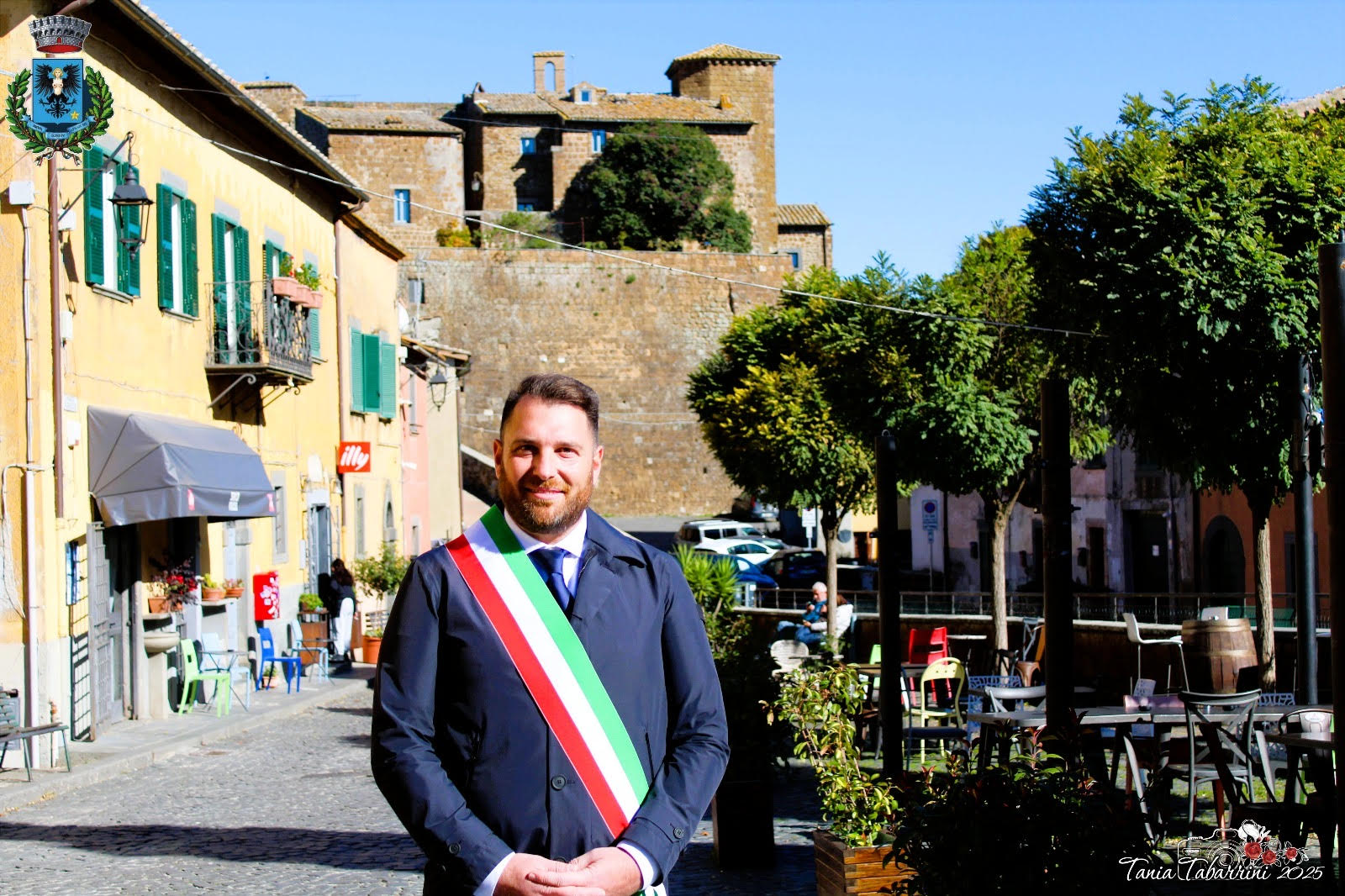
Easter Monday in Italy: “Ghost Egg Hunt” in Celleno, Hundreds Expected
A unique initiative comes from Celleno, Italy (province of Viterbo), a small village about 90 minutes from Rome: the “Ghost Egg Hunt”, which will take place on Easter Monday (April 6, 2026) in the area’s well-known “ghost town” in the Tuscia region of central Italy. Between 200 and 400 visitors are expected in Celleno, Italy, taking part in the […]
What’s On in Italy: April 2026 Edition
April in Italy is the “sweet spot”—the wisteria is blooming, the crowds haven’t fully peaked, and the calendar is packed. Here are the must-know events for your community. 1. Pasqua & Pasquetta (Easter Weekend) Dates: April 5 (Easter Sunday) & April 6 (Easter Monday) The Vibe: Pure tradition. Rome will be very busy with the […]
How to Survive Italian Bureaucracy: An Expat Guide to Residency, Healthcare, and Paperwork.
Confusion with Italian Bureaucracy: How Things Will Not Change… But You Will! If you’ve ever tried to navigate Italian bureaucracy as an expat, you probably know the feeling: confusion, frustration, and the sense that everything moves in circles. Forms lead to other forms. Offices send you to other offices. And sometimes the information you’re given […]

Easter in Italy 2026: What to See, Eat, and Celebrate.
Easter, or “Pasqua,” is one of the most significant and beautiful times to be in Italy. In 2026, Easter Sunday falls on April 5th, bringing with it a week of profound religious traditions, vibrant spring festivals, and, of course, incredible seasonal food. Whether you are a religious pilgrim, a history enthusiast, or an expat looking […]
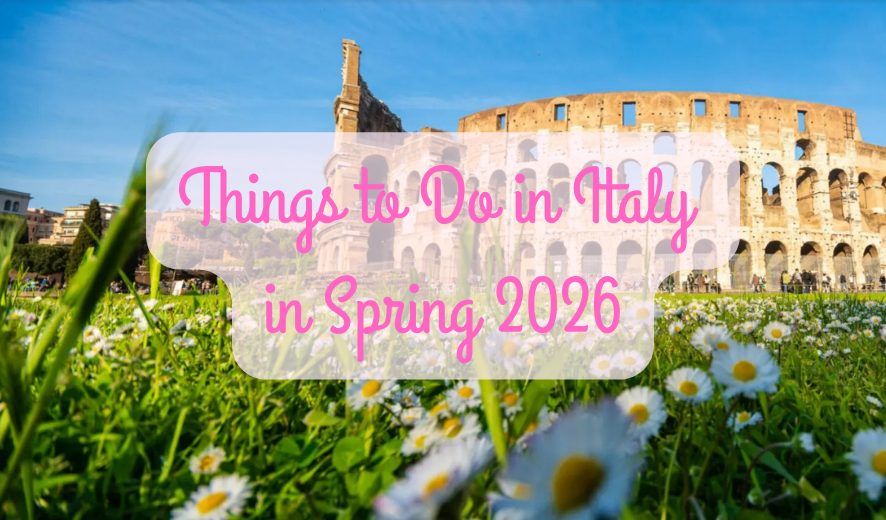
Things to Do in Italy in Spring 2026
Spring in Italy is a magical time. The weather is warm but not too hot, the flowers are in full bloom, and the cities come alive with festivals, outdoor activities, and cultural events. For expats living in Italy, it’s the perfect time to explore the country’s diverse landscapes and vibrant culture. Here’s a breakdown of […]

What’s on in Italy: March 2026 | Events in Italy You Won’t Want to Miss!
What’s On in Italy: March 2026 Events Expats Will Love Posted on March 2, 2026 March in Italy is a month of vivid transformation. As the winter chill recedes, the peninsula bursts into life with spring festivals, high-energy sporting events, and significant cultural anniversaries. Whether you are looking for historic re-enactments, world-class rugby, or the […]

Buying Property in Italy: Why You Need a Strategic Consultant
Buying Property in Italy: 4-Phase Strategic Purchase Plan A comprehensive framework for expats and investors to navigate the Italian real estate market with professional precision. Do you dream of a farmhouse in Tuscany, a luxury villa on Lake Como, or a seaside home in Puglia? Whether you are looking for an investment apartment in Rome […]

Long & Short Term Rental Assistance in Italy
Book a 15-minute Free Call Today! Securing a rental property in Italy requires deep knowledge of local laws and fluency in Italian. These are often the biggest hurdles for internationals moving to Italy. Our specialized rental assistance service provides the expertise you need to secure your ideal home with confidence and legal security. With our […]
On December 14, 2024, Italy introduced new road safety measures aimed at reducing traffic violations and enhancing safety for all road users. These changes, detailed in the legislation titled “Interventi in materia di sicurezza stradale e delega al Governo per la revisione del codice della strada” (GU Serie Generale n.280 del 29-11-2024), effect drivers, cyclists, scooter riders, and pedestrians. Here’s a comprehensive guide to navigate the new rules:
1. Stricter Penalties for Traffic Violations
Increased Fines for Common Violations:
∙ Speeding: Fines now range from €200 to €1,000, depending on severity.
∙ Driving Under the Influence (DUI): Fines start at €1,500 and can reach €6,000. Violators may face license suspension or revocation.
∙ Using a Mobile Phone While Driving: Penalties are now between €250 and €1,000, with repeat offenders facing fines up to €1,400 and license suspensions of up to 120 days.
∙ Running a Red Light: Fines range from €150 to €600.
Special Rules for Novice Drivers:
∙ Newly licensed drivers are restricted to vehicles with a power-to-weight ratio of up to 75 kW per ton.
∙ Traffic violation penalties are doubled for novice drivers, regardless of age.
2. Alcohol and Drug Testing
Alcohol Offenses:
Blood Alcohol Levels:
∙ 0.5-0.8 g/L: Fines from €543 to €2,170, license suspension for 3-6 months, and 10 points deducted.
∙ 0.8-1.5 g/L: Fines up to €3,200, license suspension for up to 1 year, arrest for up to 6 months, and 10 points deducted.
∙ Above 1.5 g/L: Fines from €1,500 to €6,000, suspension for up to 2 years, vehicle confiscation, and 10 points deducted.
Drug Testing:
∙ Mandatory saliva tests will be conducted for suspected drug use.
Alcolock Devices:
∙ Repeat offenders are required to install alcolock devices, preventing vehicle ignition if alcohol is detected.
3. Electric Scooter Regulations
Mandatory Safety Equipment:
∙ Helmets are required for all riders, regardless of age.
∙ Reflective vests must be worn at night or in low visibility conditions.
Rental Scooters:
∙ Riders must provide their own helmets and reflective gear; rental companies are not obligated to supply these items.
Speed Limits:
∙ 20 km/h on roads and 6 km/h in pedestrian areas.
Parking Restrictions:
∙ Scooters must be parked in designated areas. Improper parking can result in fines ranging from €50 to €200.
Prohibited Roads:
∙ Electric scooters are banned from highways and high-speed roads.
Engine Capacity:
∙ Scooters with an engine capacity of 125cc (or more than 120cc) are now permitted on highways and ring roads.
4. Cyclist and Micromobility Regulations
Safety Gear:
∙ Helmets are mandatory for cyclists of all ages.
∙ Reflective clothing is required at night or in low visibility conditions.
Bike Lanes and Overtaking Rules:
∙ Cyclists must use designated bike lanes where available. Riding on sidewalks is prohibited unless explicitly allowed.
∙ Cars must maintain a minimum 1.5-meter distance when overtaking bicycles.
Advance Stop Lines:
∙ Cyclists now have dedicated advance stop lines at traffic lights.
5. Pedestrian Safety Measures
Crosswalk Rules:
∙ Pedestrians must use designated crosswalks and adhere to traffic signals. Failure to do so may result in fines of up to €50.
Right of Way:
∙ Vehicles must yield to pedestrians at crosswalks. However, pedestrians must ensure it is safe to cross before stepping onto the roadway.
No Distractions:
∙ Pedestrians are prohibited from using mobile phones, headphones, or other distracting devices while crossing the street.
Visibility:
∙ Reflective clothing is recommended for pedestrians at night to enhance visibility.
6. Stricter Speed Camera Regulations
Autovelox (Speed Cameras):
∙ Speed cameras are now regulated with stricter placement criteria.
∙ Urban roads: Cameras are only allowed on roads with speeds above 50 km/h or cycling routes with limits of 30 km/h.
7. Compliance Tips
∙ Understand the Rules: Familiarize yourself with Italian traffic laws and updates to stay compliant.
∙ Carry Proper Documentation: Always have your driver’s license, vehicle registration, and insurance documents with you.
∙ Prepare for Rentals: If renting scooters or bikes, ensure you have your own helmet and reflective gear.
∙ Plan for Fines: If fined, pay promptly to avoid additional penalties.
∙ Stay Cautious as a Pedestrian: Use crosswalks and remain attentive when crossing roads.
Italy’s updated road safety laws aim to create safer streets for everyone. Understanding and following these new regulations will help you avoid fines and ensure a smoother experience navigating Italian roads. Stay informed and equip yourself properly.
Easter Monday in Italy: “Ghost Egg Hunt” in Celleno, Hundreds Expected
A unique initiative comes from Celleno, Italy (province of Viterbo), a small village about 90 minutes from Rome: the “Ghost Egg Hunt”, which will take place on Easter Monday (April 6, 2026) in the area’s well-known “ghost town” in the Tuscia region of central Italy. Between 200 and 400 visitors are expected in Celleno, Italy, taking part in the […]
What’s On in Italy: April 2026 Edition
April in Italy is the “sweet spot”—the wisteria is blooming, the crowds haven’t fully peaked, and the calendar is packed. Here are the must-know events for your community. 1. Pasqua & Pasquetta (Easter Weekend) Dates: April 5 (Easter Sunday) & April 6 (Easter Monday) The Vibe: Pure tradition. Rome will be very busy with the […]
How to Survive Italian Bureaucracy: An Expat Guide to Residency, Healthcare, and Paperwork.
Confusion with Italian Bureaucracy: How Things Will Not Change… But You Will! If you’ve ever tried to navigate Italian bureaucracy as an expat, you probably know the feeling: confusion, frustration, and the sense that everything moves in circles. Forms lead to other forms. Offices send you to other offices. And sometimes the information you’re given […]
Easter in Italy 2026: What to See, Eat, and Celebrate.
Easter, or “Pasqua,” is one of the most significant and beautiful times to be in Italy. In 2026, Easter Sunday falls on April 5th, bringing with it a week of profound religious traditions, vibrant spring festivals, and, of course, incredible seasonal food. Whether you are a religious pilgrim, a history enthusiast, or an expat looking […]
Things to Do in Italy in Spring 2026
Spring in Italy is a magical time. The weather is warm but not too hot, the flowers are in full bloom, and the cities come alive with festivals, outdoor activities, and cultural events. For expats living in Italy, it’s the perfect time to explore the country’s diverse landscapes and vibrant culture. Here’s a breakdown of […]
What’s on in Italy: March 2026 | Events in Italy You Won’t Want to Miss!
What’s On in Italy: March 2026 Events Expats Will Love Posted on March 2, 2026 March in Italy is a month of vivid transformation. As the winter chill recedes, the peninsula bursts into life with spring festivals, high-energy sporting events, and significant cultural anniversaries. Whether you are looking for historic re-enactments, world-class rugby, or the […]
Buying Property in Italy: Why You Need a Strategic Consultant
Buying Property in Italy: 4-Phase Strategic Purchase Plan A comprehensive framework for expats and investors to navigate the Italian real estate market with professional precision. Do you dream of a farmhouse in Tuscany, a luxury villa on Lake Como, or a seaside home in Puglia? Whether you are looking for an investment apartment in Rome […]
Long & Short Term Rental Assistance in Italy
Book a 15-minute Free Call Today! Securing a rental property in Italy requires deep knowledge of local laws and fluency in Italian. These are often the biggest hurdles for internationals moving to Italy. Our specialized rental assistance service provides the expertise you need to secure your ideal home with confidence and legal security. With our […]
All you need to know to obtain a driver’s license in Italy
Information on driving permits in Italy with details on applying for a learner’s license and registering for an Italian driving test.
The Italian driving license can be obtained after finishing a driver’s education course and passing a two-stage test: a theory test and a road test. An elementary-school diploma is also required to obtain a valid driver’s license.
In Italy, the driving license is a governmental right given to those who request a license for any of the categories they choose. It is required for every type of motorized vehicle. The minimum age to obtain a driving license is as follows:
–> 17 years for a motorcycle of 125cc with a limit of motor power of 11 kW; a quadricycle motor (cars with a weight of 400 kg – 550 kg if it is for freight transport) and a motor power not exceeding 15 kW)
–> 17 years for a car or a motorcycle without a limit for the engine cylinder capacity and a limit of motor power of 35 kW
–> 20 years for minibuses, three-wheelers without a limit of motor power, and cargo vehicles
–> 23 years for motorcycles without limits of motor power; buses
The so-called “patentino” (small driving license) was an Italian license given to young people with a minimum age of 14 years. This license permitted teenagers to drive scooters and “micro-cars” (small cars with a maximum motor power of 4 kW and a maximum speed of 45 km/h). In 2013, this was replaced with a new category of driver’s license.
Anyone found driving without a valid driving license may be subject to a fine. Car drivers in Italy must be at least 18 years of age, but licenses exist for residents under the age of 18 who wish to drive a moped.
Getting a Car Driving License in Italy
In order to obtain the Patente B a person must be at least 18 years old and be in suitable physical condition (a medical certificate is required for eyesight, mental health and physical condition).
The process for obtaining an Italian driver’s license is:
–> Pass a theory test (multiple choice, in Italian)
–> Obtain a learner’s permit (foglio rosa)
–> Practice driving
–> Pass a practical driving test (road test with instructor and examiner)
The Learner’s Permit
Learner’s permits must be applied for at the nearest Provincial Office of Motor Vehicles (Ufficio Motorizzazione Civile), which will issue the learner’s license. The foglio rosa is valid for a period of six months, and can be applied for by learners on the day they reach the minimum age for the license category. This means that a Patente B can be granted on the applicant’s eighteenth birthday, for example: it does not have to wait until the day after.
Requirements may vary from office to office, but in general, the following must be submitted:
–> Completed form MC 2112 MEC (available from Motorizzazione Civile offices)
–> Medical Health Certificate stating the applicant is of sound health and mind (provided by an authorised doctor)
–> Valid photo identification
–> At least one photocopy of an existing licence (if applicable)
–> Proof of residency (Permesso/Carta di Soggiorno) and photocopy
–> Three passport photographs that match the photograph on the medical certificate, not more than 6 months old.
–> Application fee
Learning to Drive in Italy
The learner’s permit allows the holder to practice driving only while accompanied by a person no older than 60 years old (if practising using a dual-control vehicle, the accompanying driver may be no older than 65 years old). The accompanying driver must have held a valid licence for at least five years in the category the driver will be tested for.
Practice vehicles must be marked on the front and back with a vertically and clearly displayed uppercase black letter “P” (principiante) against a reflective white background, indicating to other drivers that the driver is a novice.
Learner drivers may not drive on the Autostrada and may face a fine of €78 euros if they practice in a busy area.
Most learner drivers opt to take lessons with a licensed driving school for several reasons: instructors can coach students on questions likely to be encountered on the test; and the practical test must be done on a dual-control vehicle, which can be provided by the school for practice and for the practical exam. Otherwise, the test taker must hire a dual-control car and insurance must be obtained before the practical test can be taken. Hired dual-control vehicles can only be rented for driving tests and cannot be used for practice.
The Theory Exam
The theory exam consists of 30 questions that test knowledge of the Highway Code (Codice della Strada). You are allowed up to 3 errors (the same percentage of correct answers required, 90%). The test lasts 20 minutes and in case of a negative outcome it can be repeated once.
As of January 2011, it is only possible to take the theoretical tests in Italian. There are two exceptions: in the Valle d’Aosta the test may be taken in French, and in South Tyrol the test may be taken in German. Learner’s books with test questions are available at bookshops in Italian only; some driving schools may have English translations for sale.
The foglio rosa allows the learner to take three driving tests in total, and two of any one type: for instance, if a driver passes the theory test the first time, they have two chances to complete the practical exam; if they fail the theoretical test twice, the foglio rosa is no longer valid and another must be obtained.
The documents required may vary, but in general, Motorizzazione Civile offices will request:
–> Completed form TT 2112
–> Tax code (Codice Fiscale)
–> Valid photo identification
–> Proof of residency (Permesso/Carta di Soggiorno) and photocopy
–> Two passport photographs that match the photograph on the medical certificate, not more than 6 months old
–> Photocopies of any other driving licences the applicant possesses
–> Application fee
The Practical Exam
The practical driving test is usually taken after a period of practice although this is not obligatory for drivers carrying a foreign licence.
At the practical exam, the following documents are required:
–> Photo identification
–> Proof of vehicle insurance (and photocopy)
–> For foreigners, a Permesso/Carta di Soggiorno (and photocopy)
The practical driving test must be undertaken in a dual-control vehicle (unless the driver is disabled and requires hand controls). If a driver passes the practical test in an automatic transmission, dual-control vehicle (which are extremely uncommon), they will be restricted to driving only automatic vehicles thereafter.
If the driver fails the practical exam, the medical certificate, proof of payment and photos will be returned to them so they may be presented again at the retest.
After successfully completing the practical exam, the Italian licence will be issued on the spot.
Moped Licence
To drive a moped or motorcycle of 50cc and under, the driver must be at least 14 years old. After passing an exam, the driver will carry a category AM licence. This replaced the Certificato di idoneità, also known as the Patentino, in January 2013. A short training course at a local driving school must be completed before taking the exam. As of January 2013, this exam can no longer be taken at local state schools.
While a 14 year old can drive a category AM vehicle in Italy, they must reach 16 years of age before doing so in most other EU countries. Those only eligible to drive category AM vehicles cannot carry passengers.
While the minimum age in Italy for category AM vehicles is 14, most other European states only allow AM vehicles to be driven at the age of 16. This is still the case if the holder of an AM licence drives in another EU country.
EU AND NON-EU DRIVING LICENCES:
The holders of a driving licence issued by a state of the EU or the EEA (European Economic Area) are allowed to drive in Italy using their valid national driving licence, without the obligation to convert it as long as it is valid. However, if the licence has no validity limits or expires after 15 years or more, it must be converted within two years of the acquisition of the residence in Italy. In any case, it is recommended to request the conversion in order to facilitate any renewal procedures or duplicate licence. The licences for which the conversion is not provided, however, follow the Italian regulations regarding the renewal and possible sanctions.
The holders of a driving licence issued by a state outside the EU or the EEA may drive in Italy using their valid licence accompanied by an international driving permit or a sworn translation of the licence. They can do so for up to one year from the acquisition of the residence in Italy. After that, they must convert their licence, which is possible only if there is a reciprocal agreement between the state issuing the driving licence and Italy. Otherwise, they must obtain a new Italian driving licence by passing a theory and practical exam.
If you have a driving licence from one of the following countries, you can convert your driving licence into an Italian one without taking a test: Algeria, Argentina, The Philippines, Japan, Lebanon, Liechtenstein, Morocco, Moldova, Monaco, the Republic of Korea (South Korea), San Marino, Switzerland (until 12/6/2026), Taiwan, Tunisia, the United Kingdom and Turkey.
Easter Monday in Italy: “Ghost Egg Hunt” in Celleno, Hundreds Expected
A unique initiative comes from Celleno, Italy (province of Viterbo), a small village about 90 minutes from Rome: the “Ghost Egg Hunt”, which will take place on Easter Monday (April 6, 2026) in the area’s well-known “ghost town” in the Tuscia region of central Italy. Between 200 and 400 visitors are expected in Celleno, Italy, taking part in the […]
What’s On in Italy: April 2026 Edition
April in Italy is the “sweet spot”—the wisteria is blooming, the crowds haven’t fully peaked, and the calendar is packed. Here are the must-know events for your community. 1. Pasqua & Pasquetta (Easter Weekend) Dates: April 5 (Easter Sunday) & April 6 (Easter Monday) The Vibe: Pure tradition. Rome will be very busy with the […]
How to Survive Italian Bureaucracy: An Expat Guide to Residency, Healthcare, and Paperwork.
Confusion with Italian Bureaucracy: How Things Will Not Change… But You Will! If you’ve ever tried to navigate Italian bureaucracy as an expat, you probably know the feeling: confusion, frustration, and the sense that everything moves in circles. Forms lead to other forms. Offices send you to other offices. And sometimes the information you’re given […]
Easter in Italy 2026: What to See, Eat, and Celebrate.
Easter, or “Pasqua,” is one of the most significant and beautiful times to be in Italy. In 2026, Easter Sunday falls on April 5th, bringing with it a week of profound religious traditions, vibrant spring festivals, and, of course, incredible seasonal food. Whether you are a religious pilgrim, a history enthusiast, or an expat looking […]
Things to Do in Italy in Spring 2026
Spring in Italy is a magical time. The weather is warm but not too hot, the flowers are in full bloom, and the cities come alive with festivals, outdoor activities, and cultural events. For expats living in Italy, it’s the perfect time to explore the country’s diverse landscapes and vibrant culture. Here’s a breakdown of […]
What’s on in Italy: March 2026 | Events in Italy You Won’t Want to Miss!
What’s On in Italy: March 2026 Events Expats Will Love Posted on March 2, 2026 March in Italy is a month of vivid transformation. As the winter chill recedes, the peninsula bursts into life with spring festivals, high-energy sporting events, and significant cultural anniversaries. Whether you are looking for historic re-enactments, world-class rugby, or the […]
Buying Property in Italy: Why You Need a Strategic Consultant
Buying Property in Italy: 4-Phase Strategic Purchase Plan A comprehensive framework for expats and investors to navigate the Italian real estate market with professional precision. Do you dream of a farmhouse in Tuscany, a luxury villa on Lake Como, or a seaside home in Puglia? Whether you are looking for an investment apartment in Rome […]
Long & Short Term Rental Assistance in Italy
Book a 15-minute Free Call Today! Securing a rental property in Italy requires deep knowledge of local laws and fluency in Italian. These are often the biggest hurdles for internationals moving to Italy. Our specialized rental assistance service provides the expertise you need to secure your ideal home with confidence and legal security. With our […]
Car insurance in Italy is compulsory for all vehicles, whether they are in circulation or parked on public roads. This mandatory insurance, known as “Assicurazione RC” (Civil Liability Insurance), covers damages that the insured may cause to property or individuals.
To obtain an insurance contract, you’ll need the following documents: the car registration book in the name of the policyholder and an identity document for the insured person.
Let’s delve into the details of insurance policies and the additional coverages you can request to enhance your coverage.
The Limit of Coverage:
One important aspect of third-party motor liability insurance in Italy is that it has a maximum limit of coverage. This limit represents the maximum amount the insurance company will pay for damages caused by the insured to third parties. The basic coverage for third-party liability insurance is €6,450,000.00 for personal injury and €1,300,000.00 for property damage.
If the damage exceeds this coverage limit, the insured party is personally responsible for paying compensation for the excess damage. However, it’s possible to extend the maximum coverage to up to €10,000,000.00, depending on the insurance company. This extension provides greater guarantees in case of compensation claims, reducing the risk of having to pay for damages out of your pocket.
When purchasing an insurance contract, you can request to increase the coverage limit. This enhancement typically costs between €50 and €200.
The Deductible:
Insurance policies may include a deductible, which is an amount the insured must pay if they have caused damage to other vehicles due to an accident. There are two types of deductibles: relative and absolute.
Relative Deductible: With a relative deductible, your insurance company won’t compensate for damage up to a certain amount. For instance, if your insurance contract specifies a €1,000 deductible, and the damage caused amounts to €800, you will need to cover the €800 compensation yourself. However, if the damage reaches €1,500, it will be fully covered by your insurance company.
Absolute Deductible: The absolute deductible stipulates that the insured must pay a predetermined amount, regardless of whether it exceeds a certain threshold. For example, if you’ve caused €2,000 in damage, and your deductible is €1,000, you’ll still have to pay €1,000, with the remainder covered by your insurance company. Having a deductible can lead to a discount of around 15% on your annual premium, but it also means you may need to contribute to repair costs in the event of a fault.
Additional Coverages:
Italian car insurance policies offer various additional coverages, including:
Injuries to the Driver: This extension compensates for bodily injuries to the driver, even if they are at fault in the accident. The average cost is approximately €100.
Kasco: Kasco coverage provides compensation for damage to your vehicle, regardless of fault. It covers material damage to the vehicle, such as accidents involving other vehicles or collisions with objects. Costs vary based on the insured’s merit class.
Crystal Policy: This extension covers damage or breakage of your car’s windows, including the front windscreen, rear window, and door windows. Average cost: around €100.
Road Assistance: Roadside assistance allows you to call a tow truck at no extra cost in the event of a vehicle breakdown. Costs vary, with additional charges beyond a certain mileage.
Natural Events: This coverage insures your vehicle against damage caused by adverse natural conditions like storms, avalanches, and floods. Costs range from €80 to €150.
Vandalism: Vandalism coverage includes damage caused by unknown persons, acts of terrorism, or strikes. It covers both major and minor vehicle damage, with costs between €200 and €400.
Theft and Fire Insurance: This extension insures your vehicle against theft or fire damage, with compensation based on the vehicle’s value. Costs vary with the insured amount.
Legal Protection: Legal protection covers legal dispute costs, such as lawyers and expert opinions. The average cost is around €100 per year.
Waiver of Recourse: This unique extension covers damages even if they were caused under the influence of alcohol, drugs, or with an expired vehicle inspection. Costs range from €80 to €150 annually, in addition to the basic insurance premium.
Don’t forget to check out our Social Media accounts and Newsletter so you can join us in the next Social Meet-ups for Expats! We hope to see you at Meetup soon!
Learn about the residence permit for digital nomads from non-EU countries working in Italy
Italy’s Investor Visa: A Visa to Attract Strategic Investments from Abroad
Find and Buy Your Ideal Property in Italy with Our Professional Services
Buying Property in Italy – How to Get a Mortgage as a Foreigner
How to Open a Bank Account in Italy as an Expat
Learn Italian and open up new possibilities for your career and personal growth
Prepare for the CILS B1 Citizenship exam to obtain citizenship by marriage, residence or study or work in Italy.
Switching to a self-employment permit from a study or job-seeking one
Understanding the Tessera Sanitaria: Your Italian Health Insurance Card
Non-Married Partners: How to Obtain a Residence Permit in Italy as De Facto Cohabitants
How to get tax identification number for foreign citizens (Codice Fiscale)
How to register in Italy as an EU citizen
Mastering Public Transport in Italy
The Advantages of Dual Citizenship with an Italian Passport: Unlocking Boundless Opportunities
What you need to know about Visas and Permits to stay in Italy
Red flags to identify a scam when renting in Italy
Easter Monday in Italy: “Ghost Egg Hunt” in Celleno, Hundreds Expected
A unique initiative comes from Celleno, Italy (province of Viterbo), a small village about 90 minutes from Rome: the “Ghost Egg Hunt”, which will take place on Easter Monday (April 6, 2026) in the area’s well-known “ghost town” in the Tuscia region of central Italy. Between 200 and 400 visitors are expected in Celleno, Italy, taking part in the […]
What’s On in Italy: April 2026 Edition
April in Italy is the “sweet spot”—the wisteria is blooming, the crowds haven’t fully peaked, and the calendar is packed. Here are the must-know events for your community. 1. Pasqua & Pasquetta (Easter Weekend) Dates: April 5 (Easter Sunday) & April 6 (Easter Monday) The Vibe: Pure tradition. Rome will be very busy with the […]
How to Survive Italian Bureaucracy: An Expat Guide to Residency, Healthcare, and Paperwork.
Confusion with Italian Bureaucracy: How Things Will Not Change… But You Will! If you’ve ever tried to navigate Italian bureaucracy as an expat, you probably know the feeling: confusion, frustration, and the sense that everything moves in circles. Forms lead to other forms. Offices send you to other offices. And sometimes the information you’re given […]
Easter in Italy 2026: What to See, Eat, and Celebrate.
Easter, or “Pasqua,” is one of the most significant and beautiful times to be in Italy. In 2026, Easter Sunday falls on April 5th, bringing with it a week of profound religious traditions, vibrant spring festivals, and, of course, incredible seasonal food. Whether you are a religious pilgrim, a history enthusiast, or an expat looking […]